
WEBINAR DESCRIPTION:
The literature and national statistics tell us that many adults who misuse substances are parenting, and that being a parent can present strong motivation for substance use recovery. The intersection of parenting and substance misuse offers a unique and powerful opportunity for intervention that impacts two generations. The opportunity can be maximized by engaging parents utilizing approaches informed by early-childhood mental health and attachment and by the neurobiology of recovery.
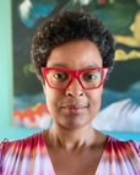
Amy Meyers, MSW, LCSW
Amy is a Licensed Clinical Social Worker. Presently, Amy is an Assistant Clinical
Professor of Social Work at the Yale Child Study Center where she is a senior consultant for the Family-Based Recovery (FBR) Model. FBR integrates an attachment-based parent-child therapeutic approach with contingency management substance use
treatment, trauma informed psychotherapy and case management services. The goal of this home-based treatment is to ensure that children develop optimally in substance-free, safe and stable homes with their parent/s.
| Costs: | $45.00 AK-AIMH Members |
| $60.00 Non-members | |
| $0.00 Behavioral Health Clinicians funded through the Division of Behavioral Health |
WEBINAR DESCRIPTION:
Parents and caregivers often avoid difficult truths, believing they're protecting their child-yet this avoidance leaves children confused, lonely, and disconnected from their own stories. This session will give you the tools to help families break through the silence, speak the unspeakable with sensitivity, and build narratives that restore safety and connection.
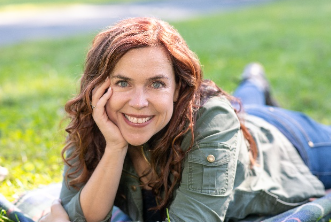
Paris Goodyear-Brown, PhD, LCSW, RPT-S™
Paris Goodyear-Brown is the creator of the TraumaPlay™ model, the founder and Clinical Director of Nurture House, and the Executive Director of the TraumaPlay™ Institute. She is an internationally renowned speaker, a prolific author , and a master clinician. While she has spent the past 25 years specializing in treating trauma (sexual abuse, physical abuse, maltreatment and neglect) and attachment disturbances, as well as anxiety disorders, she often provides help for angry, dysregulated and depressed children and teens. She is an Adjunct Instructor of Psychiatric Mental Health at Vanderbilt University, guest lecturer for several universities in middle Tennessee, and travels around the world helping clinicians, parents, and teachers better serve children from hard places.
LEARNING OBJECTIVES:
| Costs: | $45.00 AK-AIMH Members |
| $60.00 Non-members | |
| $0.00 Behavioral Health Clinicians funded through the Division of Behavioral Health |
Copyright © 2026 - All Rights Reserved - Mastermind Computer Technologiess